
HEATED ASPHALT
DRIVEWAY IN
SPOKANE VALLEY, WA
Spokane Valley winters bring 48" of mountain snowstorms and elevation-driven cold fronts from November through March. That's dozens of shoveling sessions eliminated with one radiant heat installation.
Photo: Matheus Guimarães / Pexels
Spokane Valley, Washington Winter Reality
SPOKANE VALLEY WINTERS: MANAGEABLE WITH THE RIGHT SETUP
Spokane Valley's mountain climate delivers 48" per season in rapid, unpredictable bursts. Smart radiant systems respond automatically to moisture and temperature drops, so your driveway is clear before you need to leave — regardless of when the storm hits.
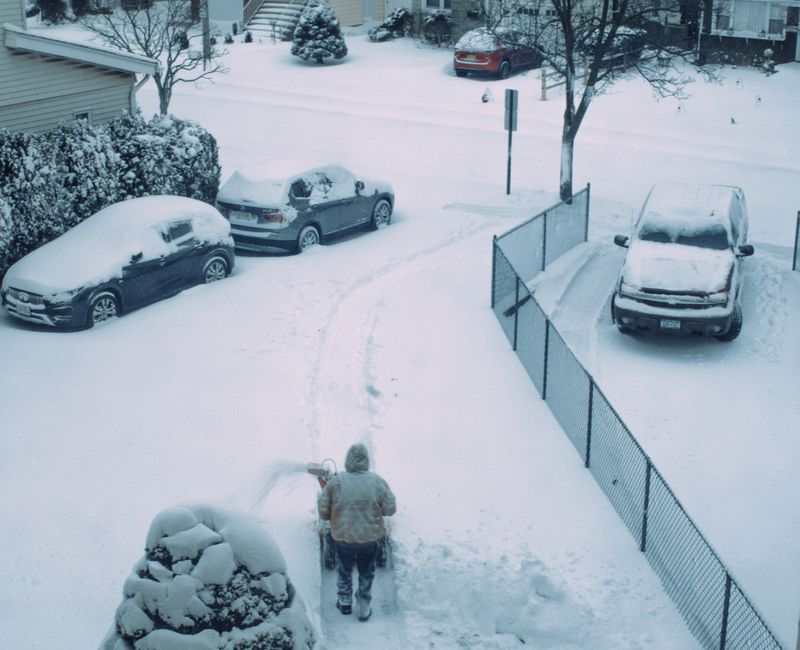
The old way: shoveling, salting, and cracked asphalt every spring.
The heated asphalt way: dry, clear, and intact all winter.
Photo: Zeeshaan Shabbir / Pexels
Why Spokane Valley Homeowners Choose Heated Asphalt
THE CASE FOR A HEATED ASPHALT DRIVEWAY
IN SPOKANE VALLEY, WA
48" of Snow — Every Year
Spokane Valley residents deal with 48 inches of snowfall annually. A heated asphalt driveway eliminates manual snow removal entirely — heating cables embedded beneath the surface activate automatically so you never shovel again.
Ideal for Asphalt Surfaces
Asphalt's flexibility makes it one of the best surfaces for embedded heating cables. The material expands and contracts naturally with the cables, resulting in a long-lasting, crack-resistant installation — perfect for Spokane Valley's freeze-thaw climate.
No Salt, No Pitting
Rock salt and ice-melt chemicals pit and degrade asphalt over time. A heated asphalt driveway eliminates the need for chemical treatment during November through March — protecting the surface and eliminating slip liability.
WA Property Value Boost
Heated asphalt driveways are a premium feature in WA real estate listings — increasing appraised home value. Buyers in snow-belt markets actively search for this upgrade when shopping for homes.
What to Expect
ASPHALT INSTALLATION IN SPOKANE VALLEY
Typical Cost in Spokane Valley
- • Snow season: November through March
- • Peak month: January
- • Average annual snowfall: 48"
- • Classification: Moderate-to-heavy snowfall
- • Region type: mountain climate
Fill out our quick form and we'll connect you with 2–3 heated asphalt driveway installers in the Spokane Valley area within 24 hours.
Get a Friendly Quote in Spokane Valley →COMMON QUESTIONS FROM SPOKANE VALLEY HOMEOWNERS
Does a heated asphalt driveway work in Spokane Valley's climate?+
Is asphalt better than concrete for a heated driveway?+
Can heating cables be added to my existing asphalt driveway?+
How much does it cost to run during a Spokane Valley winter?+
Will my HOA in Spokane Valley allow a heated asphalt driveway?+
STOP SHOVELING IN SPOKANE VALLEY
Get connected with heated asphalt driveway installers in Spokane Valley, Washington. Friendly quotes, no obligation.
Get My Friendly Quote →