
Installation Guide · The Technology
HOW ELECTRIC
HEATED DRIVEWAYS
WORK
Radiant heat driveway systems use embedded electric cables and intelligent sensors to melt snow automatically — no plows, no salt, no effort required.
The System
4 COMPONENTS WORKING TOGETHER
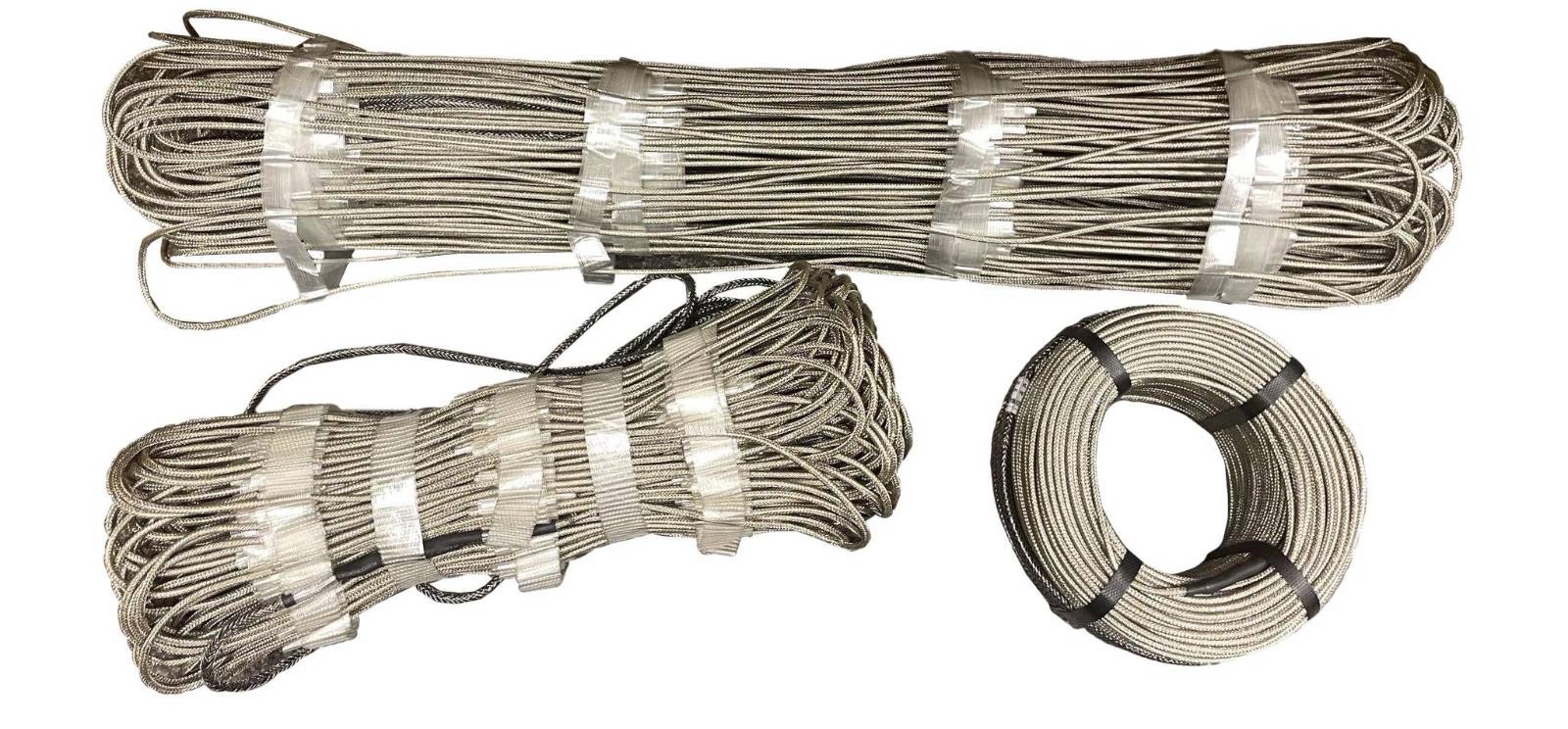
electric heating mats
High-resistance electric cables are embedded in a grid pattern beneath your driveway surface — concrete, asphalt, pavers, or stone. These cables convert electricity to heat efficiently.
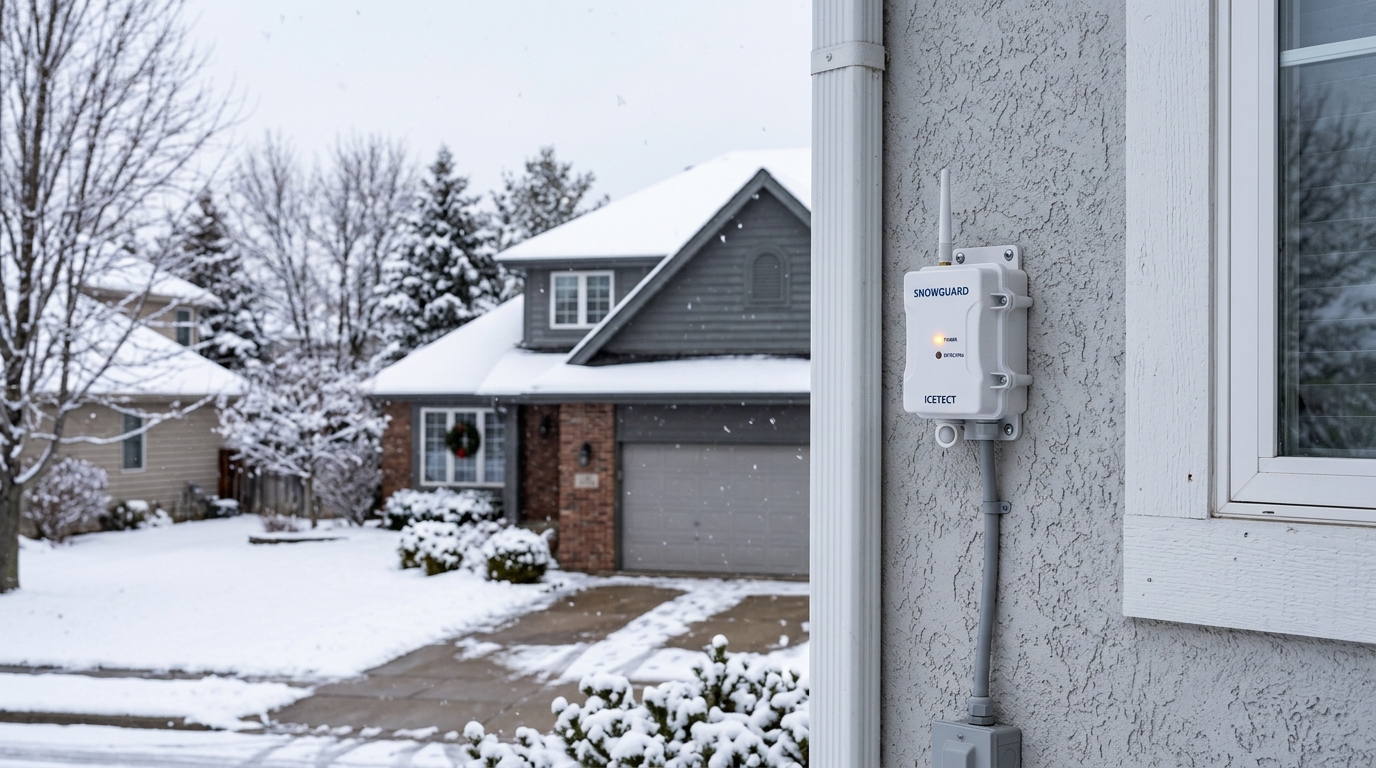
Smart Sensor System
An aerial snow/ice sensor (ADPS) mounts on your home and continuously monitors both temperature and moisture. The moment conditions hit the threshold, your system activates automatically.
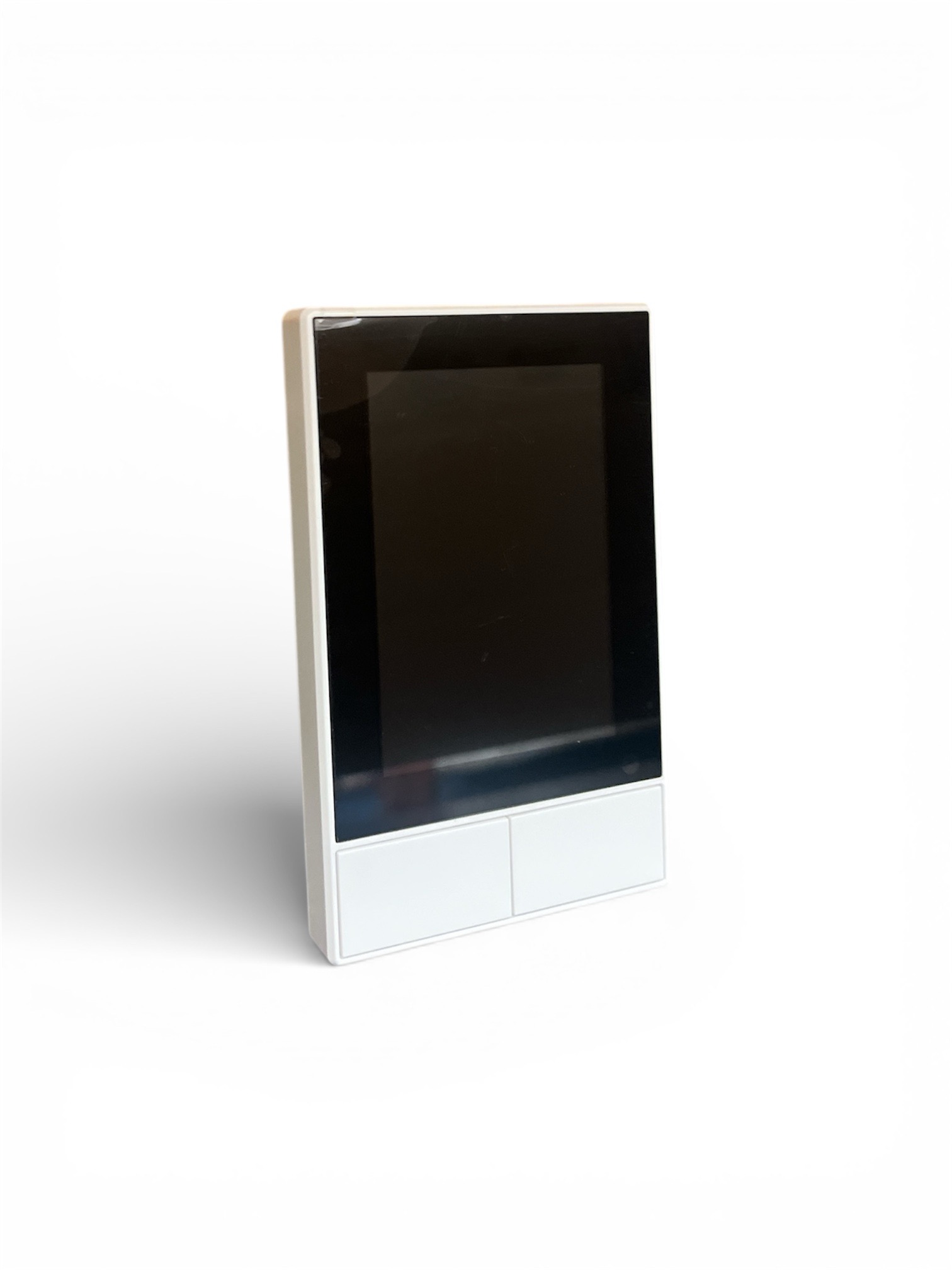
Control Panel & Timer
A dedicated control panel manages power distribution and scheduling. Modern systems allow manual override, zone control, and even smartphone monitoring via app.
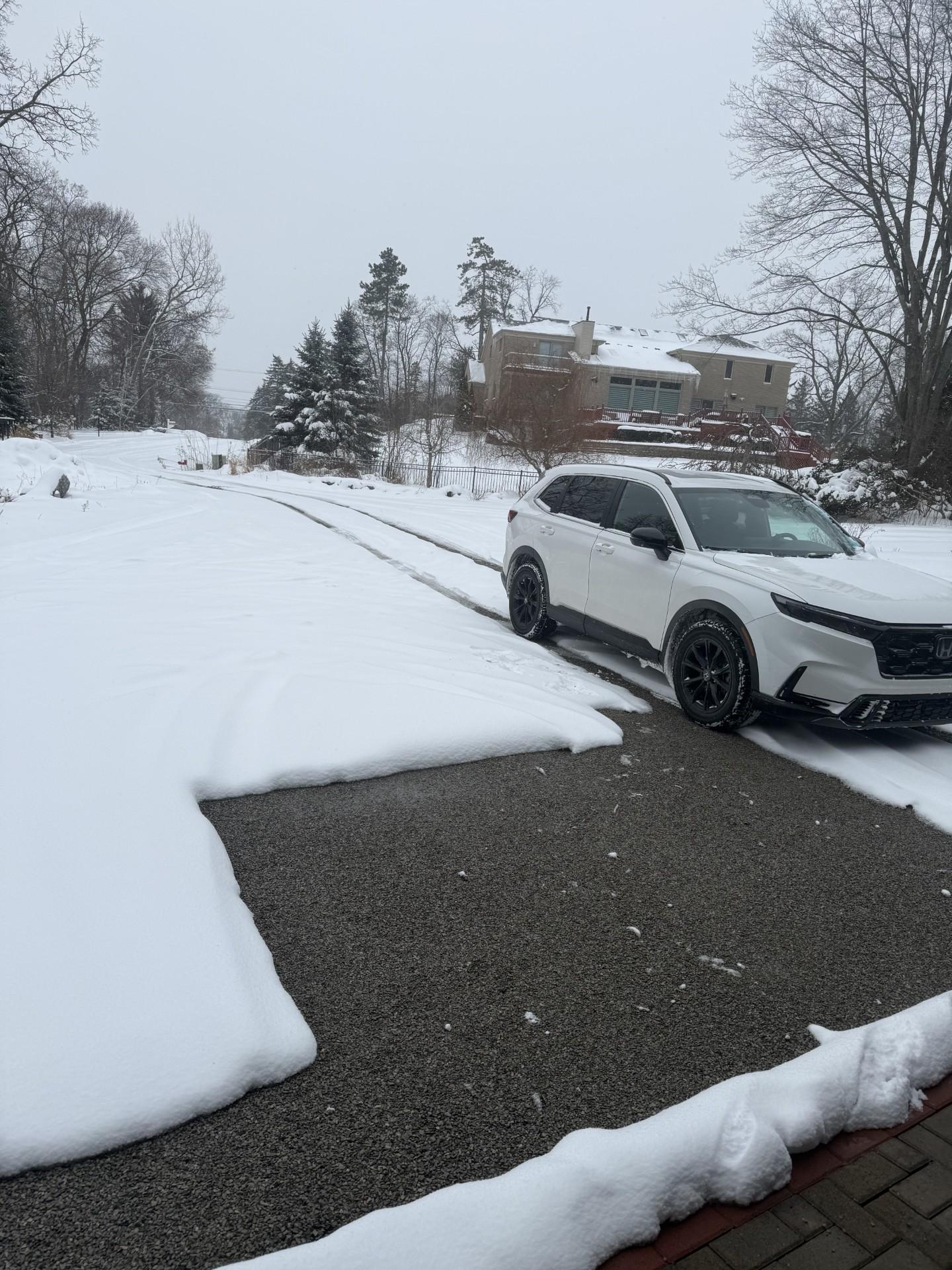
Heat Distribution
Heat radiates upward uniformly through the surface. Snow melts on contact before accumulating. In heavy storms, the system maintains the surface above 32°F continuously.
Installation
THE INSTALLATION PROCESS
Whether you're building new or retrofitting an existing driveway, the process is straightforward when handled by a professional.
Pre-Installation
- ✓Site assessment and driveway measurement
- ✓Load calculation (watts required per sq ft)
- ✓Electrical panel capacity check
- ✓Permit application (where required)
- ✓Material ordering and scheduling
New Construction
- ✓Cables embedded before concrete pour
- ✓Cable grid secured to rebar or wire mesh
- ✓Sensor wire run to house exterior
- ✓Control panel wired by electrician
- ✓System tested before final pour
Retrofit (Existing Driveway)
- ✓Existing surface saw-cut or removed
- ✓Cables embedded in new overlay layer
- ✓Minimum 1.5" topping required
- ✓Electrician runs dedicated circuit
- ✓Full system commissioned and tested
Compatibility
COMPATIBLE SURFACE TYPES
Technology & Durability
WHY ELECTRIC? HOW LONG DOES IT LAST?
Electric vs. Hydronic Systems
When comparing snow-melting systems, electric cable solutions are generally superior for standard residential applications. Unlike hydronic systems that require a complex boiler, pumps, tubing, and glycol antifreeze maintenance, electric systems are a “set and forget” technology. Electric cables are significantly easier to install, causing fewer disruptions during construction, and they offer a lower upfront cost because they eliminate expensive mechanical rooms and plumbing infrastructure.
Electric systems also provide faster reaction times. Because the cables are installed closer to the surface than bulky liquid-carrying pipes, heat transfer is more direct. You don't wait for a boiler to cycle through startup before melting begins. This immediate response makes electric just as effective at preventing ice buildup as hydronic — with zero fluid maintenance, no pressure testing, and no risk of pipe leaks beneath your driveway surface.
How Long Does the System Last?
Most professional-grade heating cables are designed for a service life exceeding 25 years. Because the system is sealed with no moving parts — unlike a snow blower requiring fuel, oil changes, and frequent belt or auger repairs — there is virtually no ongoing maintenance required. An average snow blower might last 15 years with heavy use, whereas your heating cables will likely outlive the driveway paving itself.
While the system is robust, keep in mind that components work together. The heating cables themselves are built for decades of durability, but automated sensors — which detect moisture and temperature to trigger the system — typically last 10 to 15 years. Sensors are the only part that might require simple replacement over the system's lifetime, ensuring your driveway stays smart and efficient without ever needing manual intervention to start the melt cycle.
READY TO INSTALL?
Get matched with a heated driveway installer or general contractor in your area for a friendly, no-obligation quote.